Cyprus faces tourism decline and livestock culling crisis
Cyprus is facing a 60% drop in tourism bookings as British travelers express hesitation due to ongoing geopolitical instability in the Eastern Mediterranean. This alarming trend coincides with a significant livestock culling crisis affecting thousands of animals across the island.
The UK government has advised its citizens to remain vigilant, urging them to follow local authorities’ instructions. The last update to the UK travel advisory for Cyprus was made on March 5, highlighting concerns about safety amid rising tensions.
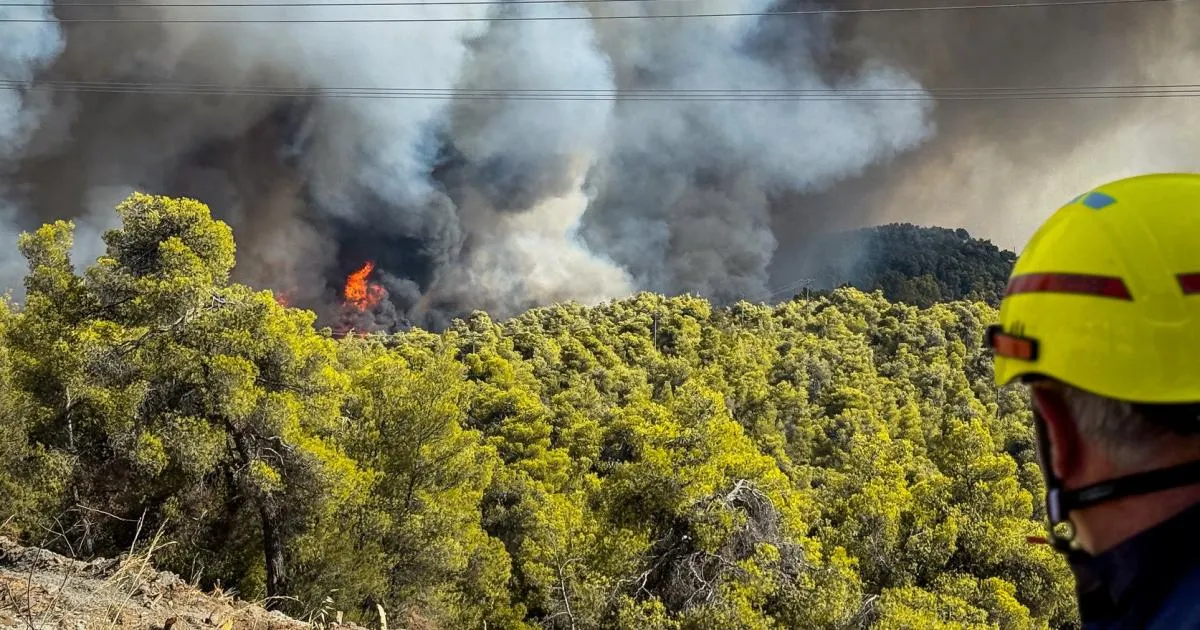
On May 6-7, 2026, Commissioner Hadja Lahbib will visit Cyprus to address various issues, including fire risk management—an area of increasing concern as the country prepares for the summer months. The European Commission will co-organize the 3rd Euro-Mediterranean Workshop on Fire Risks during this visit.
The current livestock crisis has resulted in the culling of approximately 38,900 sheep and goats, 2,247 cattle, and 21,500 pigs. This represents a loss of about 9.5% of adult sheep and goats, 2.8% of cattle, and 7.9% of pigs in Cyprus.
The Cypriot government insists it is adhering to EU veterinary protocols throughout this culling process. However, farmers are expressing frustration over unclear compensation details from authorities.
As the situation unfolds, experts have dismissed claims suggesting alternative EU protocols could manage the crisis differently. Dimitris Epaminondas, head of the Pancyprian Veterinary Association, emphasized that no such alternatives exist.
The Cypriot government is closely monitoring both the tourism decline and livestock situation while supporting relevant services. Yet, President Clea Hadjistephanou Papaellina has indicated there are currently no plans for new meetings with farmers regarding compensation.
This sequence of events underscores the challenges Cyprus faces at this critical juncture. The combination of declining tourism and agricultural distress could have long-lasting effects on the economy.