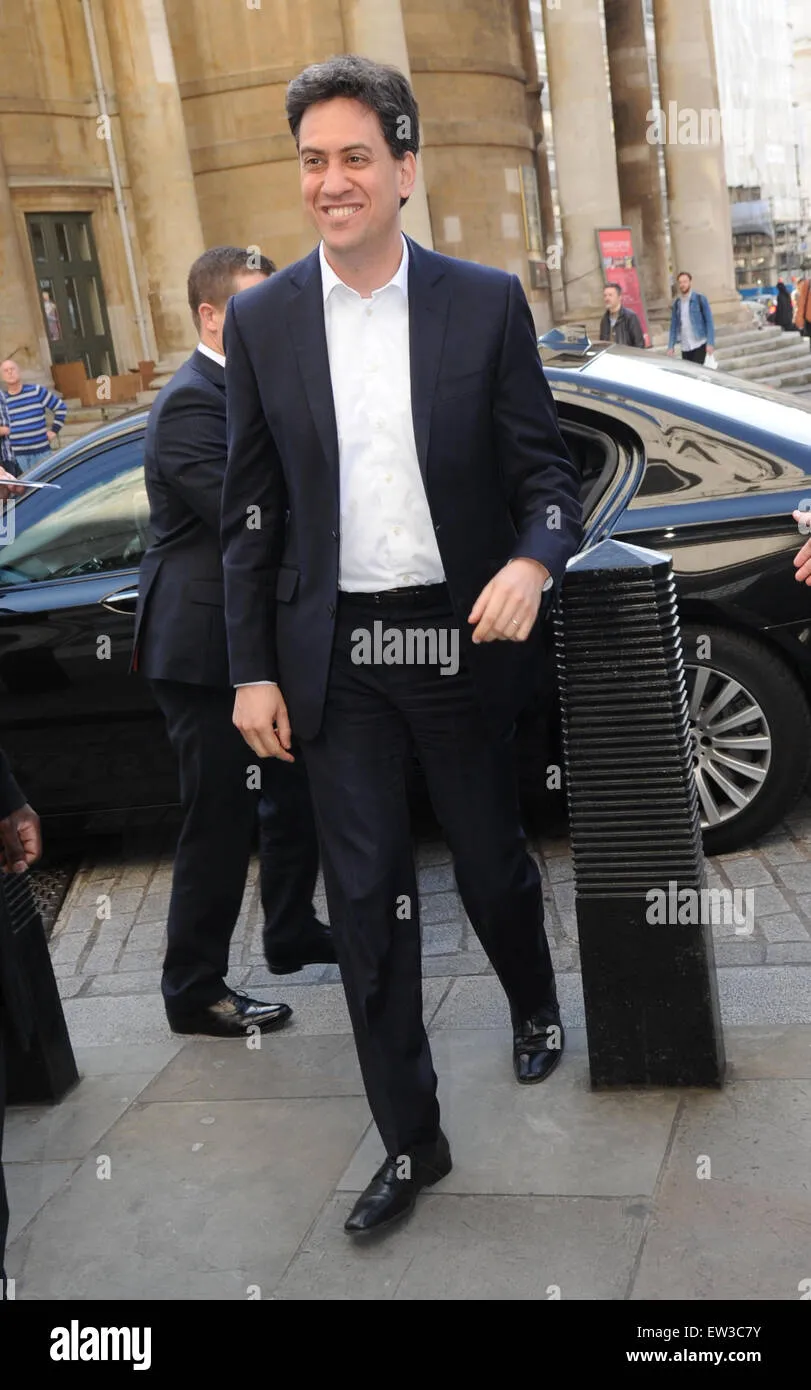
Edward miliband
Ed Miliband’s opposition to US military action in Iran has sparked a significant Cabinet rebellion within the Labour Party on March 5, 2026. Miliband led a faction that argued against British involvement, including the use of RAF bases by American forces.
Miliband articulated his position during a National Security Council meeting, asserting that Britain could not commit military resources without a clear plan. The Chancellor and Foreign Secretary supported his stance, which reflects an ongoing debate about the UK’s role in international conflicts.
This incident is reminiscent of Miliband’s previous efforts to block military intervention in Syria back in 2013. At that time, hesitance from both the UK and the US created a power vacuum that allowed Russia to bolster its influence in the region.
Key facts:
- Miliband opposed British participation in the Iran conflict, aiming to prevent the US from using UK bases.
- BP reported first-quarter profits of £2.4 billion, coinciding with rising tensions related to the Iran conflict.
- Miliband threatened to impose a windfall tax on BP’s global profits amid concerns over energy prices.
The UK is currently grappling with its most severe energy crisis ever, exacerbated by rising costs and geopolitical tensions. In 2024, BP contributed £4.4 billion to the Treasury, including £1.2 billion from direct taxes on its profits, highlighting its financial significance to the UK economy.
Miliband warned that if BP were to relocate its operations abroad, it would signal that the UK is closed for business—an alarming prospect for many stakeholders. Currently, BP employs approximately 15,000 people directly in the UK and supports an additional 75,000 jobs through its supply chain.
The Labour Party faces internal challenges as it navigates these complex issues. As Wes Streeting noted, past hesitations have had lasting impacts on international stability—a sentiment that resonates with many party members.